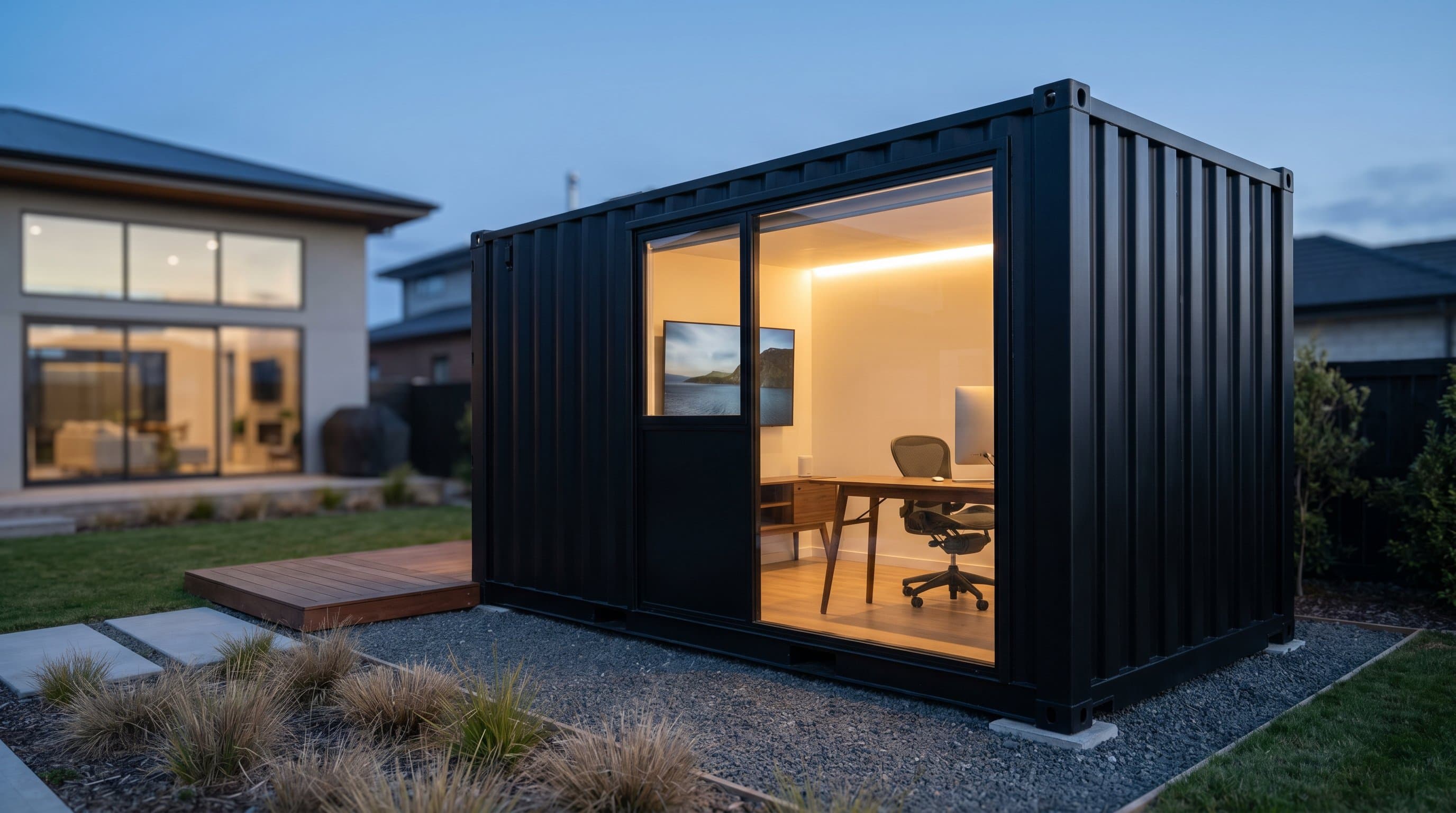
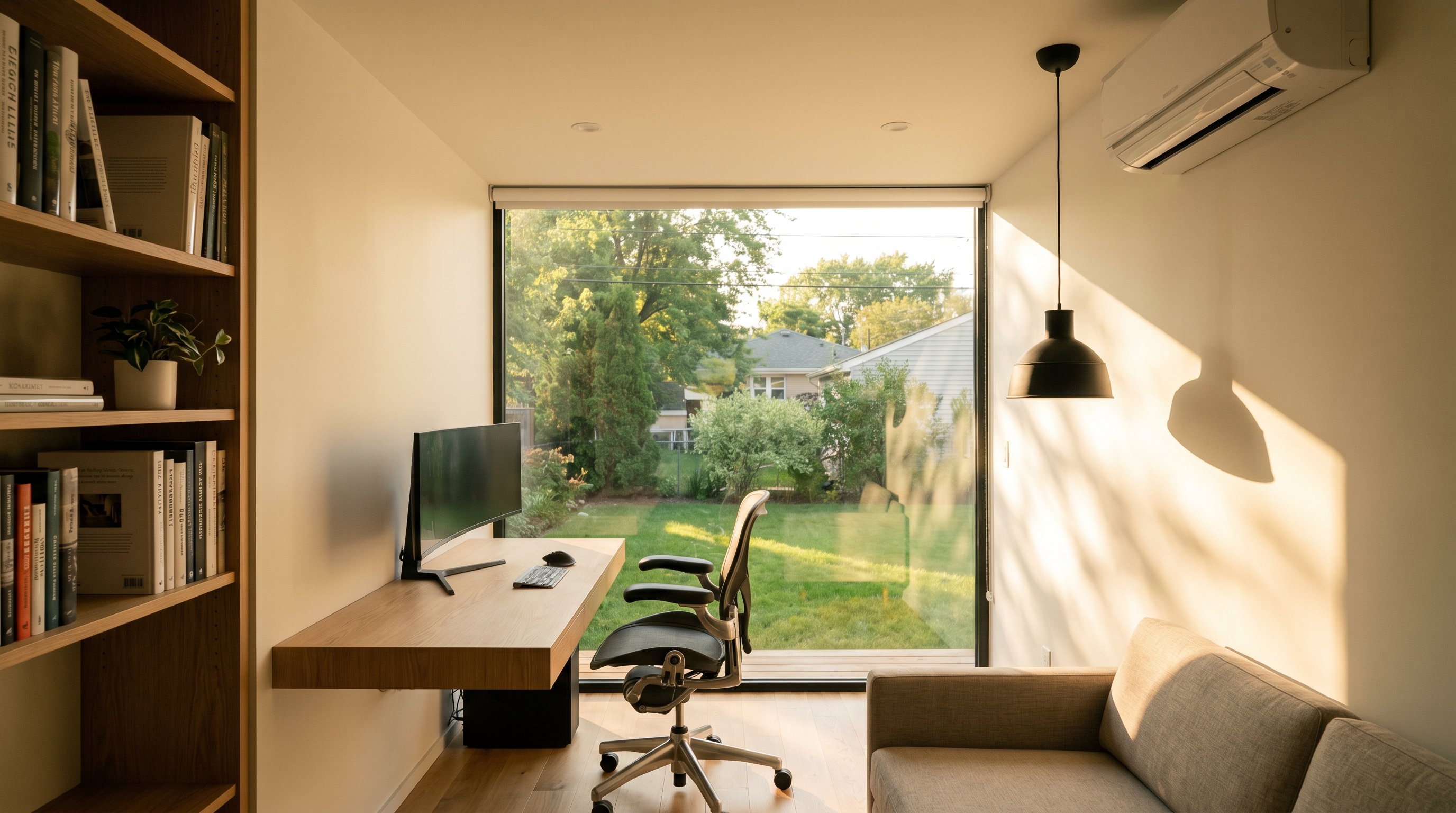
A home office that doesn't share a wall with the dryer.
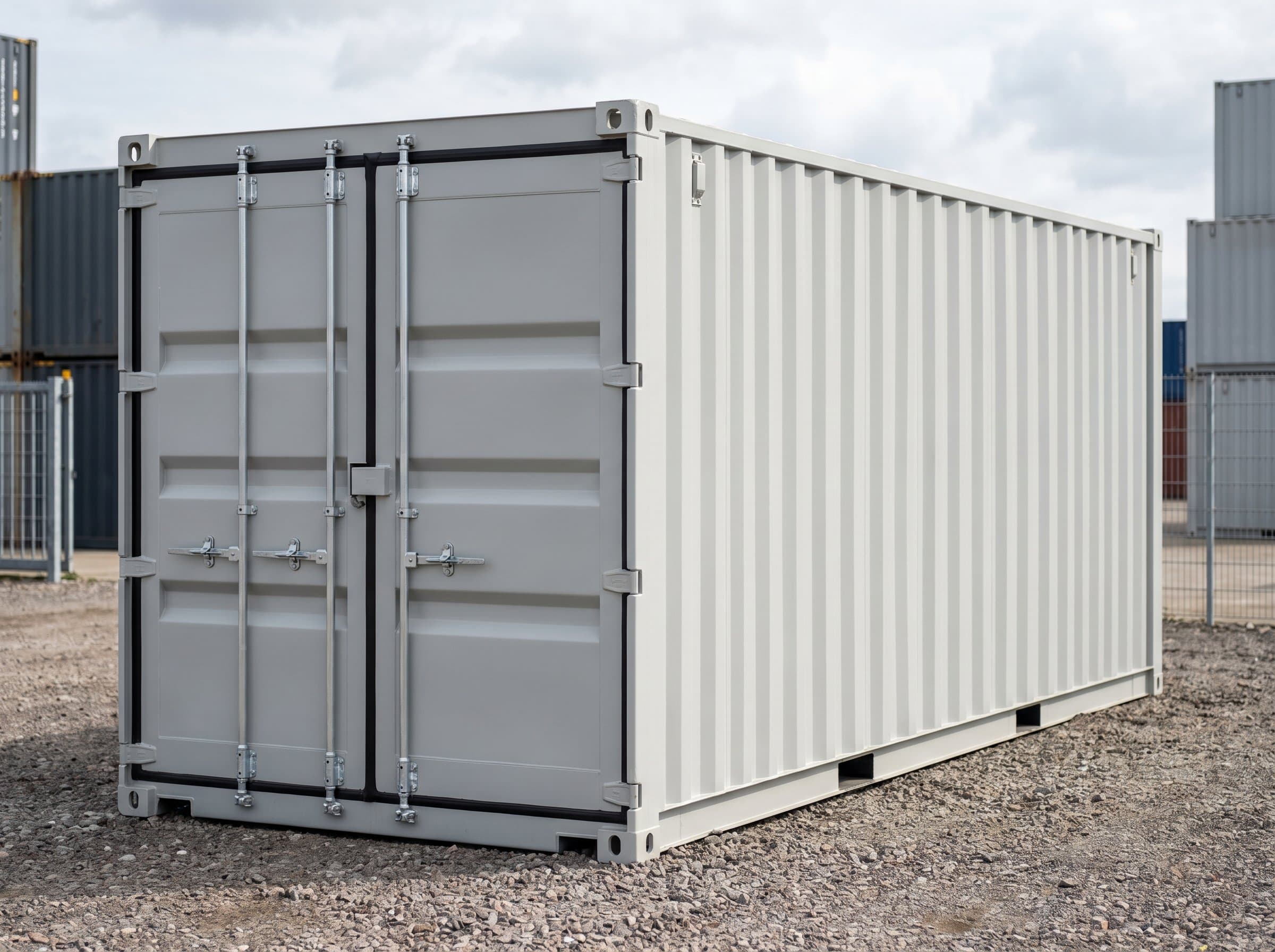
A one-trip 20ft container is an 8x20ft soundproof steel shell ready for insulation, windows, and power. Ship-ready in under a week.
Why this fits.
- New / One-Trip
- Near-new condition. Square walls, clean wood floor — the right canvas for interior framing.
- Power-ready
- Add a single 50-amp sub-panel and you're running office equipment, mini-split HVAC, and Starlink.
- Soundproof
- 18 gauge Corten steel + closed-cell spray foam = studio-grade quiet without the studio price tag.
- Under most ADU thresholds
- A 20ft box is ~160 sqft, typically below the ADU permit trigger in most jurisdictions. Check your local code.
The right starting point for home offices & studios.
A shipping container home office solves the exact problem that every spare bedroom, basement nook, and garage conversion fails at: real separation. Closing the door on the noise of the house, the laundry schedule, the kids, and the dogs. You can cross 30 feet of lawn, open a steel door, and be at work in a space that is physically and acoustically detached from your home. That single feature — separation — is the reason a one-trip 20ft container is the most common detached-office package we sell.
Who is this actually for
We deliver backyard home offices to:
- Remote professionals — software engineers, designers, accountants, therapists — who need real office hours separated from household life.
- Creative studios — photographers, podcasters, music producers, illustrators — where the sound isolation and controllable lighting matter.
- Small business owners running a consulting practice, a virtual services firm, or a side business out of the house.
- Parents of young kids who need to take work calls without a toddler screaming in the background.
A used container works for tool storage. For an office, buy new. Covered below.
Sizing: 20ft is almost always right, 40ft for two-person studios
| Size | Interior floor area | Best for |
|---|---|---|
| 20ft one-trip | ~160 sqft | Single-person office or studio. Fits a proper desk, a small sofa, a bookshelf. |
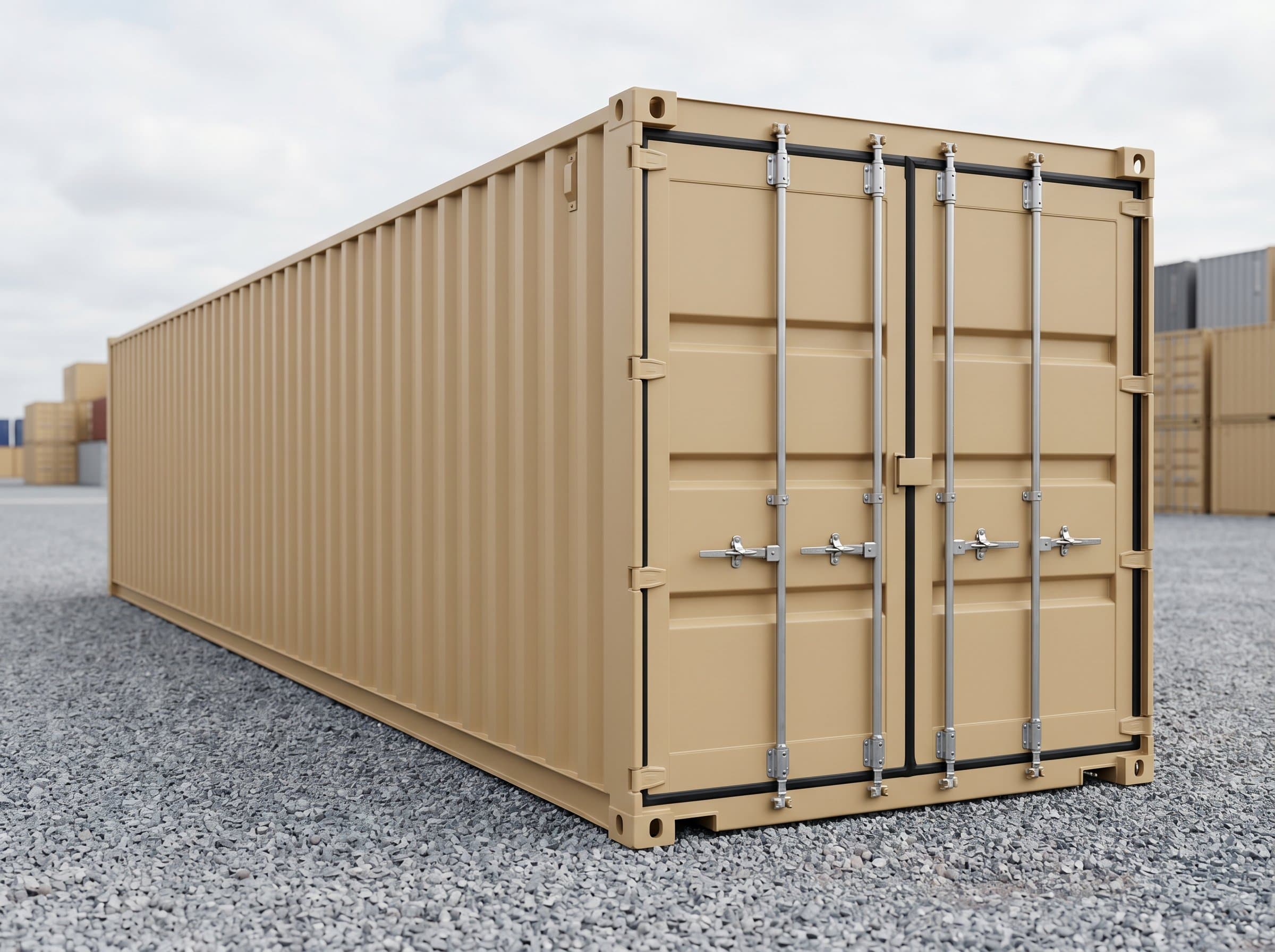
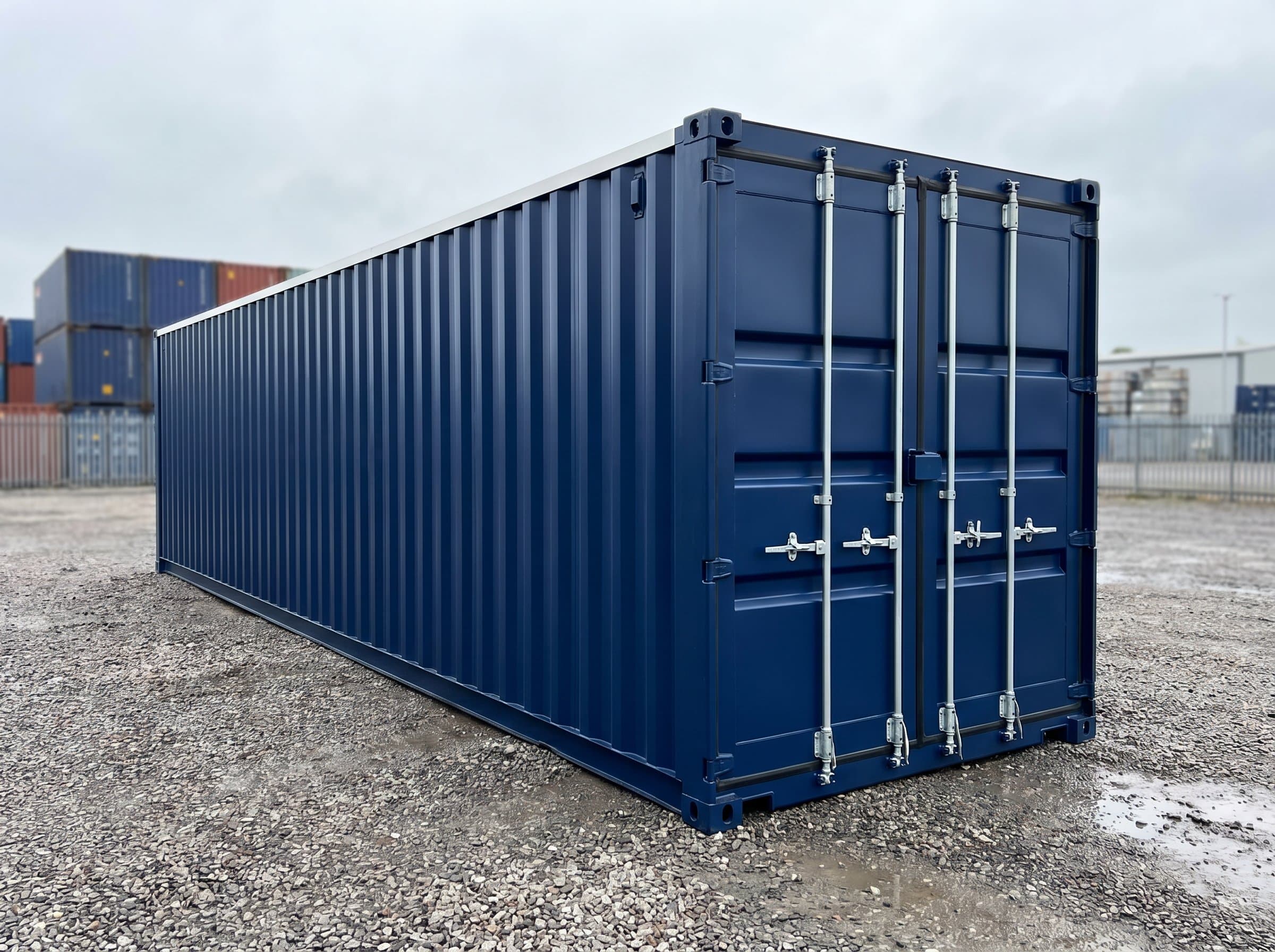
| 40ft one-trip | ~320 sqft | Two-person office, a podcast studio with booth, a design studio with oversized drafting table. |
| 40ft high-cube one-trip | ~340 sqft + taller ceiling | Same as 40ft but worth it if you want a loft area for storage, or if you are 6ft 4in and want genuine overhead clearance. |
Most of our backyard-office buyers land on the 20ft. 160 sqft of dedicated, separated workspace is bigger than most Manhattan apartments and plenty for 98% of desk-based work.
Grade: New / One-Trip, always
The same logic as container homes applies here, but in a lower-stakes form. For an office you will insulate, drywall, window, and finish the inside of:
- One-trip containers are factory-clean with a fresh wood floor, square walls, and zero pesticide residue. Every cut is a clean cut. The window openings stay true.
- Used containers save ~$2,000 but cost you that back in framing-to-square labor, plus the possibility of cutting into a pesticide-treated floor (some older containers used organophosphate floor treatments; not a health hazard once sealed, but not something you want indoors without knowing about it).
For a ~$12,000 finished investment, the $2,000 difference for one-trip is trivial. Spend it.
Cost: what a backyard office actually runs, line-item
A realistic finished budget for a 20ft one-trip container office:
- Container (20ft one-trip, delivered): $5,400–$6,800.
- Site prep (leveling, piers or concrete deck blocks): $400–$1,500.
- Windows + entry door (2 picture windows + 1 insulated man-door): $1,800–$3,500.
- Insulation (2in closed-cell spray foam on walls + ceiling): $1,800–$3,200.
- Interior framing + drywall + paint: $2,200–$4,500.
- Electrical (50A sub-panel, 4–6 outlets, LED lighting, Cat6 data run): $2,000–$4,000.
- Mini-split HVAC (12k BTU single-head): $3,000–$4,500.
- Flooring (LVP or engineered wood): $600–$1,800.
- Exterior paint or cladding: $300–$1,500.
All-in: $17,500–$31,300 for a finished, insulated, powered, climate-controlled backyard office. Compare this to a stick-built shed of the same footprint at $30,000–$45,000 (with the same finishes), or to renting 160 sqft of commercial office at ~$300–$700/month.
Permits: the ADU threshold is your friend
A 20ft container is ~160 sqft. In most US jurisdictions, accessory structures under 200 sqft do not require a building permit provided they meet setback rules and are not plumbed. This is the single most important design decision for a backyard office: stay under 200 sqft and skip plumbing.
If you want a bathroom in the office, you have crossed into full ADU territory in most jurisdictions — permit, inspection, utility hookup fees, sometimes impact fees. Expect to add 6–8 weeks and $3,000–$8,000 in permit-related costs. For most remote workers, walking 30 feet back to the house for the bathroom is worth that trade.
Separate from the permit question: some HOAs prohibit accessory structures over a certain height or require architectural review. Check before ordering.
Modifications we recommend, and ones we do not
Worth doing:
- Two picture windows on opposite walls for cross-light and ventilation.
- An insulated 3ft exterior man-door with a glass panel.
- Closed-cell spray foam insulation on walls and ceiling. Non-negotiable.
- A 50A sub-panel tied to your main house service.
- Mini-split HVAC — single indoor head, outdoor condenser mounted behind the box.
- LVP flooring. Sheet vinyl in a steel box looks like a storage unit.
Skip:
- Roll-up doors unless you need vehicle access (they kill insulation values).
- Interior walls / room dividers in a 20ft (the space is too narrow; keep it open).
- Plumbing if you can avoid it (see permits above).
- Rooftop decks (they are a real engineering project, not a weekend build).
Delivery and installation timeline
- Week 0: confirm setbacks with your municipality. Order the container.
- Week 1: site prep — lay concrete deck blocks or pour piers.
- Week 2: container delivered on a tilt-bed. 30-minute placement.
- Week 3–4: cut openings, install windows + door, spray-foam.
- Week 4–5: framing, drywall, electrical rough-in.
- Week 5–6: electrical finish, mini-split install, flooring, paint.
- Week 6–7: furnishing and move-in.
Most backyard offices go from deposit to working space inside 6–8 weeks.
Common mistakes
- Ordering a used box to save $2,000. On a finished-office build, it does not save you anything. Buy one-trip.
- Forgetting the mini-split. Steel containers heat up fast in summer and cool fast in winter. Without active HVAC, the space is unusable 4 months a year.
- Plumbing it up. Triggers ADU permit in most places. Walk to the house.
- Under-powering the electrical. 50A sub-panel minimum. A podcast studio or developer workstation with three monitors easily pulls 25A.
- Cladding over the steel. Expose the corrugation. It is the best-looking exterior surface you are going to get, and hiding it with siding costs $2,000–$4,000 that delivers zero performance benefit.
What home offices & studios buyers tell us after delivery.
Moved out of the guest bedroom and into a 20ft one-trip backyard office. Mini-split HVAC, two picture windows, white-oak floors. My Zoom audio went from embarrassing to broadcast-clean. Best $22k I have ever spent on work.
Needed a HIPAA-quiet space for sessions. A steel container with closed-cell foam is the quietest room in my house by 15 decibels. My patients have told me the separation feels more professional than my old in-house office.
As a visual artist I needed north-light. Put two big windows on the north wall of a one-trip 20ft. Natural light discipline is the best studio feature I have ever had.
Questions we get on every quote.
Keep researching home offices & studios.
Long-form guides written by our own sourcing team. No fluff, no affiliate spam, just the stuff we tell people on the phone every week.
A straight answer on 20ft vs 40ft shipping container offices: what fits, what each costs delivered, and when to spend the extra 45 percent on the 40ft.
The six container home floor plans we see buyers actually build, with real square footage and which container sizes make each layout work. No Pinterest fantasy.
Other use cases
We’ll text you back within 1 business hour.
Share your ZIP and what you’re building. We’ll send a written quote with the delivered, all-in number, or tell you where to buy cheaper if we can’t beat it.
Home Offices & Studios guide last reviewed .